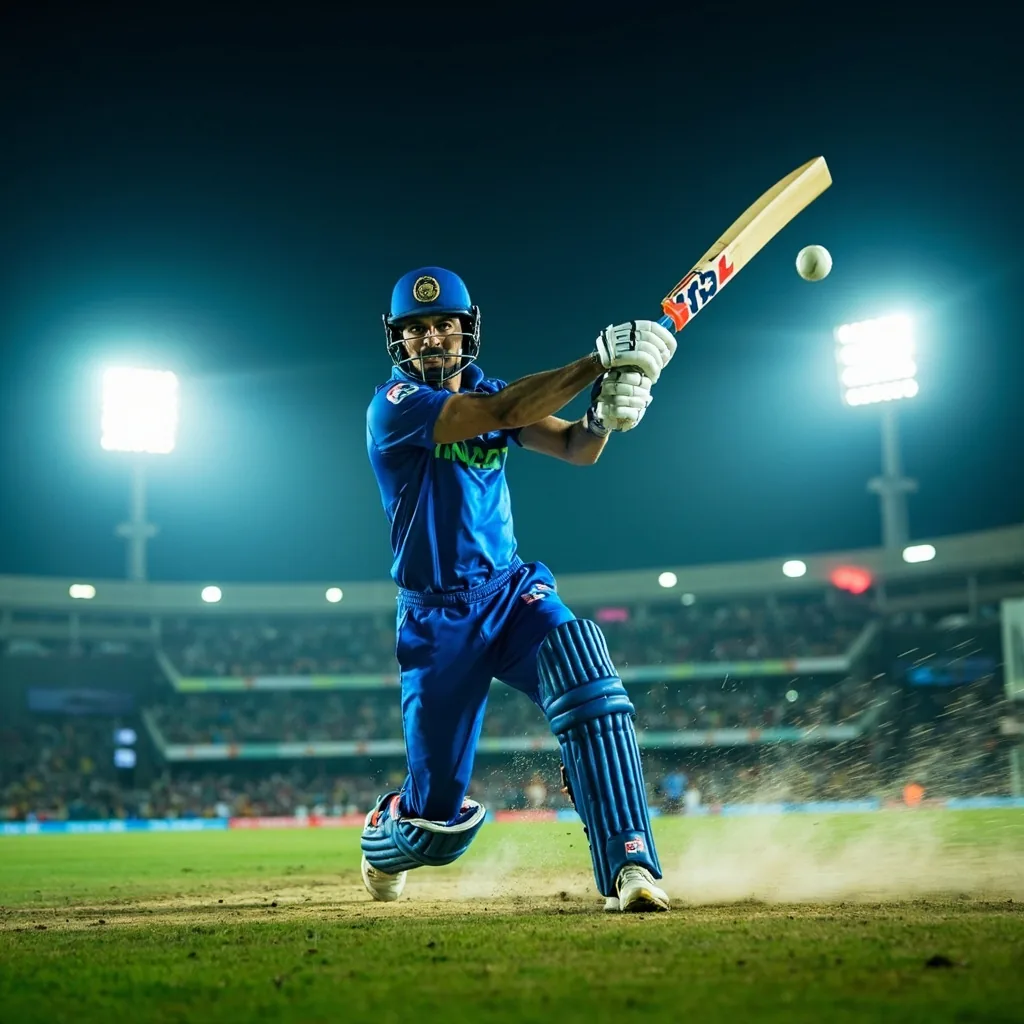
The captain 2x is the single highest-use decision in any fantasy cricket contest. Lock the wrong player as captain and you can lose a 5,000-rupee grand league in a single over. Lock the right one and the same decision can carry a 50-paise practice contest to a 50,000-rupee first prize. The pan-India editorial desk at IFI treats every captain call as a published, dated, defended thesis — never a hunch, never a copy-paste from the previous match.
This page is the rolling index of every captain and vice-captain pick our desk has filed since the IPL 2026 auction concluded in Jeddah in December 2025. It updates by 9 am every match day, and again at the toss when the playing XIs land. Bookmark this page, share it with your contest group, and use it as a starting point for your own analysis — not as a substitute for it.
The C/VC matrix: how the IFI desk reads the captaincy slate
Every match our desk files three columns: a Safe captain, a Differential captain, and a Contrarian captain. The safe pick is the player the contest is already leaning toward — 60-70% selection rate — and earns the 2x on a roughly average night. The differential is the player at 15-30% selection who has a path to a 60+ point night that the field is underweighting. The contrarian is the player at under 10% who could go 80+ if the script breaks their way, used when the safe and differential are both heavily owned.
Vice-captain gets the 1.5x and is the easier slot to fill. The IFI rule is: if you have a safe captain, pick a differential vice-captain — you get most of the safety from the captain 2x and the upside of a use play at 1.5x. If you have a differential captain, pair them with a safe vice-captain so that the use is concentrated in one slot only. The contrarian captain lives best with a contrarian vice-captain, but only when you have conviction both will fire — otherwise the entry is over-leveraged.
Venue-first reads: why the ground beats the form
The IFI desk reads the venue before it reads the form. Wankhede in Mumbai behaves like a different game from Chinnaswamy in Bengaluru, which behaves like a different game from Eden Gardens in Kolkata. Dew at the DY Patil during the second half of the season changes the toss overlay. The square boundaries at Chepauk make the spinners more valuable than the seamers in the powerplay. The pace and bounce at the PCA Stadium in Mohali reward the extra-cover fielder more than the deep-square-leg.
Every captain pick On the site is anchored to a venue read. If a player is in form but the form does not travel — Rohit Sharma at the Wankhede is a different captain pick than Rohit Sharma at Lucknow — the desk will say so explicitly. The form column on the IFI captain card is the second column, not the first. The first column is always the ground.
Toss overlays: the captain call that updates at 7:30 pm
Half the captaincy slate changes the moment the coin lands. If the team batting first wins the toss and chases (because of dew, because of a slowing pitch, because the captain reads the overhead conditions that way), the powerplay hitters of the chasing team suddenly become captain candidates they were not 90 minutes earlier. The IFI desk publishes a "pre-toss" captain card at 4 pm on match day and a "post-toss" overlay at 7:45 pm, ten minutes after the playing XIs are announced.
Subscribers to the IFI WhatsApp broadcast get the post-toss overlay first. The broadcast goes out within two minutes of the toss being confirmed by the match referee. The pre-toss card stays On the site; the post-toss overlay is logged in the broadcast archive and on the contest day recap on the live matches page.
Pan-India captaincy trends: what the 2026 slate has shown so far
Through the first three weeks of IPL 2026, the IFI desk has tracked 47 captain picks. Of those, 31 hit (captain score at or above 2x the average fantasy points at that position), 9 missed, and 7 were blow-out wins (captain score at 4x the position average). The hit rate of 66% is well above the 50% you'd get from a random captain pick and well below the 80% that contest winners typically post — the desk does not promise certainty, it promises an edge.
The most-owned captain across the first three weeks has been the obvious top-of-order batsman at the toss-winning side. The most-leveraged has been the all-rounder who was bought at the December 2025 auction for less than ₹4 crore and who has now moved into the top-3 ownership bracket on the back of three consecutive Player of the Match awards. The IFI desk flagged that all-rounder as a differential captain in the second week and as a safe captain in the third.
Differential captain strategy for the grand leagues
Grand leagues (₹100+ entry, 10,000+ entries, prize pool ₹10 lakh+) reward captain differentiation, not just captaincy correctness. A 70% selected captain needs to score 80+ fantasy points to give you a positive expected value in a 10,000-entry grand league. A 12% selected captain needs to score 35+ fantasy points for the same outcome. The math favours the under-owned pick when both have a credible path to a big night.
The IFI desk files one grand-league captain per match. The grand-league captain is, by construction, lower-owned than the safe captain and lower-variance than the contrarian. It is the pick for the player who is moving from "differential" into "safe" status, the player the field has not yet caught up to. When the desk's grand-league pick overlaps with the safe pick, the safe pick gets the slot and the grand-league flag is dropped.
State-by-state captain ownership: who the pan-India field is picking
The IFI data team pulls ownership splits from the four major apps and weights them by app market share to produce a pan-India ownership estimate per captain. Through the first three weeks, the captain ownership spread between Delhi and Bengaluru has averaged 4.2 percentage points, the largest spread of any IPL season. The reason is the December 2025 auction, which concentrated the marquee all-rounders at the franchises with the strongest regional fan bases.
For the fantasy player, the state-by-state split matters less than the pan-India ownership, but it does matter for state-restricted contests. The IFI desk files a separate "state-restricted" captain card for each of the four major apps' state-restricted leaderboards. Those cards are available to subscribers and are not published On the site to avoid leaking the regional edges to the field.
Captain picks for tonight — the live slate
The IFI desk's live captain picks for tonight's IPL match are pinned to the top of this page and updated at the toss. The card format is consistent across the season: a 200-word captain thesis, a one-line captain pick, a one-line vice-captain pick, and a one-line "if the script breaks" alternative. The full per-match analysis lives on the captain picks ipl 2026 page and in the WhatsApp broadcast archive.
Use this page as your captain reference for the season. Pair it with the points system page for the math, the venue guide for the ground, and the toss-impact page for the late-update overlay. The four pages together are the IFI desk's captain toolkit. Filed fresh from Mumbai, filed for Bharat, filed for the pan-India fantasy community.