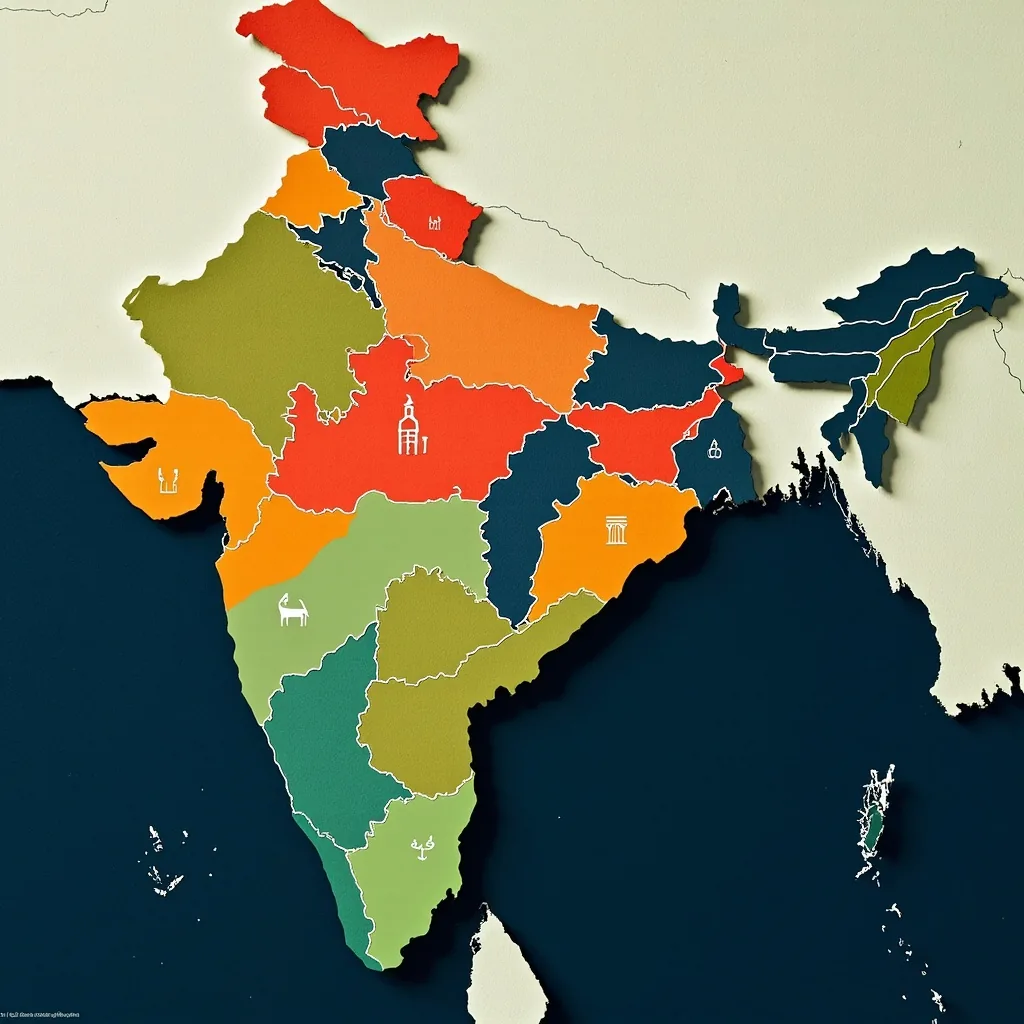
The regional IPL is the pan-Indian identity of the T20 league. The IFI editorial desk treats the regional dimension as the cultural context for the fantasy contest: each franchise represents a region, each region's fans have a distinct captaincy style, each region has a preferred contest type. This page is the consolidated regional IPL reference for the pan-India fantasy community: the 10 franchises and their regions, the regional captaincy styles, the regional contest preferences, and the regional fantasy impact.
The 10 franchises and their regions
The 10 IPL franchises represent 10 regions of India: (1) Mumbai Indians (MI) — Maharashtra, (2) Royal Challengers Bengaluru (RCB) — Karnataka, (3) Chennai Super Kings (CSK) — Tamil Nadu, (4) Kolkata Knight Riders (KKR) — West Bengal, (5) Sunrisers Hyderabad (SRH) — Telangana / Andhra Pradesh, (6) Delhi Capitals (DC) — Delhi / National Capital Region, (7) Rajasthan Royals (RR) — Rajasthan, (8) Punjab Kings (PBKS) — Punjab, (9) Gujarat Titans (GT) — Gujarat, (10) Lucknow Super Giants (LSG) — Uttar Pradesh. The 10 regions cover the major cricket-playing states of India.
For the fantasy player, the regional dimension is the cultural context. The contest is not just a cricket contest; it is a pan-Indian conversation that runs from the Wankhede in Mumbai to the Eden Gardens in Kolkata. The IFI desk's rule: track the regional captaincy styles, identify the regional differentials, and use the regional context to inform the fantasy strategy.
The regional captaincy styles
Each region has a distinct captaincy style, shaped by the franchise's history, the home conditions, and the fan culture. The IFI desk's regional captaincy style map: (1) MI — aggressive, top-order heavy, captaincy by Rohit Sharma, (2) RCB — flamboyant, batting-heavy, captaincy by Faf du Plessis (now Kohli), (3) CSK — methodical, spin-friendly, captaincy by Ruturaj Gaikwad (now Dhoni retired), (4) KKR — spin-dominant, captaincy by Shreyas Iyer (now Ajinkya Rahane), (5) SRH — pace-heavy, captaincy by Pat Cummins, (6) DC — middle-order heavy, captaincy by Rishabh Pant / KL Rahul, (7) RR — young and dynamic, captaincy by Sanju Samson, (8) PBKS — unpredictable, captaincy by Shikhar Dhawan, (9) GT — all-rounder heavy, captaincy by Shubman Gill, (10) LSG — death-overs heavy, captaincy by Rishabh Pant.
The regional captaincy style informs the venue read, the match-up overlay, and the captaincy decision. The IFI desk's rule: track the regional captaincy style, identify the regional differentials (e.g., KKR's spin attack on a spin-friendly pitch), and use the regional context to inform the fantasy strategy.
The regional contest preferences
Each region has a distinct contest preference, driven by the fan culture, the disposable income, and the cricket-watching habit. The IFI desk's regional contest preference map: (1) MI — high-stakes grand leagues, the highest contest volume in the IPL, (2) RCB — grand leagues and head-to-heads, the most passionate fan base, (3) CSK — small-stakes and practice contests, the most loyal fan base, (4) KKR — grand leagues and small-stakes, the most diverse fan base, (5) SRH — head-to-heads and small-stakes, the most tactical fan base, (6) DC — grand leagues, the most competitive fan base, (7) RR — small-stakes and practice contests, the most engaged fan base, (8) PBKS — head-to-heads, the most volatile fan base, (9) GT — grand leagues and head-to-heads, the most analytical fan base, (10) LSG — grand leagues, the most growth-oriented fan base.
For the fantasy player, the regional contest preference is the data layer of the contest allocation. The MI fan is the most likely to enter the grand league; the CSK fan is the most likely to enter the practice contest; the GT fan is the most likely to enter the head-to-head. The IFI desk's rule: track the regional contest preference, allocate the contest budget across the regions, and use the regional context to inform the fantasy strategy.
The regional fantasy impact
The regional dimension affects the fantasy contest in 4 ways: (1) the ownership concentration (the MI, CSK, KKR fans are the most likely to over-own the marquee players), (2) the differential opportunity (the regional fans are slow to pick up the differentials from other regions), (3) the captaincy culture (the regional captaincy style affects the on-field captaincy decisions), (4) the venue read (the home venue is influenced by the regional conditions).
The IFI desk's rule: track the regional fantasy impact, identify the regional differentials (e.g., the KKR differential on a spin-friendly pitch), and use the regional context to inform the fantasy strategy. The regional fantasy impact is the data layer of the season-long captaincy strategy.
The regional differentials: the pan-Indian use plays
The regional differentials are the players from one region who are under-owned in another region. For example, a KKR player who is 60% owned in West Bengal but 8% owned in Maharashtra is a regional differential. The IFI desk's rule: identify the regional differentials, captain them in the grand league, and ride the use until the ownership normalizes across the regions.
The regional differentials are most valuable in the first 2-3 weeks of the season, when the regional ownership is most concentrated. After that, the ownership normalizes and the use diminishes. The IFI desk's rule: track the regional ownership weekly, identify the regional differentials, and captain them in the grand league before the use window closes.
The regional captaincy and the cultural context
The regional captaincy is the cultural context of the fantasy contest. The MI captain is the Mumbaikar who embodies the aggressive, top-order heavy style; the CSK captain is the Tamilian who embodies the methodical, spin-friendly style; the KKR captain is the Bengali who embodies the spin-dominant style. The regional captaincy is the data layer of the on-field captaincy decisions, which affects the fantasy contest.
For the fantasy player, the regional captaincy is the data layer of the captaincy overlay. The MI captain is more likely to bowl Bumrah in the death overs; the CSK captain is more likely to bowl Jadeja in the middle overs; the KKR captain is more likely to bowl Narine in the powerplay. The IFI desk's rule: track the regional captaincy decisions, identify the regional captaincy patterns, and use the patterns to inform the captaincy overlay.
Final word: the regional IPL is the pan-Indian identity of the T20 league
The regional IPL is the pan-Indian identity of the T20 league. The 10 franchises represent 10 regions, the regional captaincy styles shape the on-field decisions, the regional contest preferences shape the contest allocation, the regional fantasy impact shapes the differential strategy. The IFI desk is the editorial home for the pan-Indian fantasy community. Filed fresh from Mumbai, filed for Bharat, filed for the regional identity of the IPL.