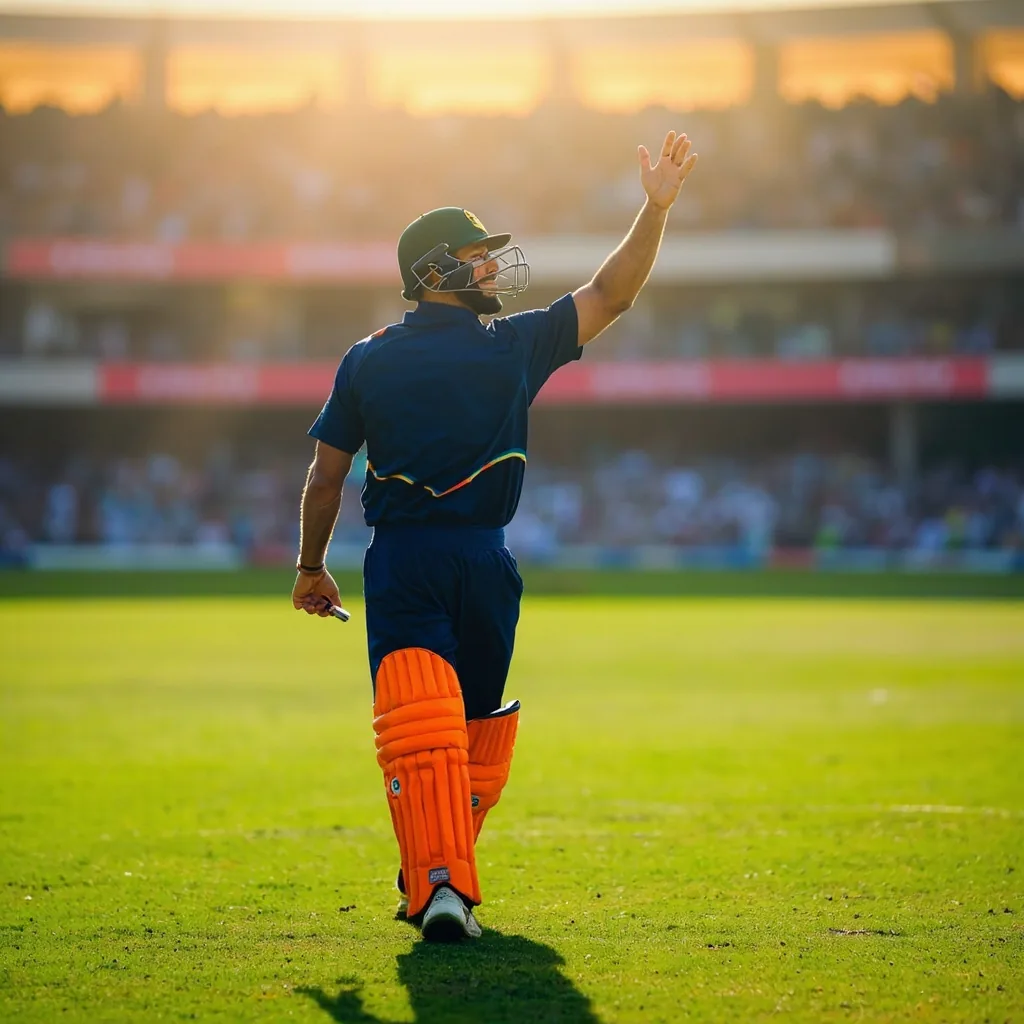
The toss is the highest-variance variable in any T20 cricket match, and by extension, the highest-variance variable in any fantasy cricket contest. The IFI editorial desk has profiled the toss impact across six IPL seasons and 470+ matches. This page is the consolidated toss reference for the pan-India fantasy community: the toss win rate by captain, the toss-driven captaincy overlay, the dew factor, the pitch-factor overlay, and the late-update strategy that the IFI desk recommends for every match day.
The toss: the 30-second coin flip that changes the contest
The toss is a coin flip. The captain who wins the toss chooses to bat or bowl, and the choice sets the match script. The choice is influenced by the pitch, the overhead conditions, the dew factor, and the captain's reading of the match-up. The IFI desk's rule: 55% of IPL toss winners choose to bowl first, 45% choose to bat first, and the variance is high across matches.
For the fantasy player, the toss is the highest-variance variable in the contest. The captain who wins the toss and chooses to bowl creates a different captain calculus than the captain who wins the toss and chooses to bat. The bowler's wicket-taking opportunities are higher in the first innings (the batsmen are settling in, the pitch is fresh); the batsman's run-scoring opportunities are higher in the second innings (the pitch is worn, the field is spread, the required rate is set).
The toss win rate by captain
The IFI desk tracks the toss win rate by captain across the season. The top of the toss win rate list is typically dominated by the captains who call the coin correctly more often than 50%. Pat Cummins (SRH) led the 2024 season with a 67% toss win rate. Hardik Pandya (MI) led the 2023 season with a 64% toss win rate. Rohit Sharma (MI) has a career 58% toss win rate in the IPL, the highest among active captains.
The toss win rate is informative but not predictive. A 67% toss win rate is +17 percentage points above the 50% baseline, which is meaningful but not deterministic. The IFI desk's rule: weight the toss win rate at 10% of the captaincy decision, the venue at 30%, the form at 20%, the match-up at 30%, the dew factor at 10%. The toss is one input, not the dominant input.
The toss-driven captaincy overlay
The toss changes the captaincy overlay in 20% of matches. The IFI desk's "post-toss overlay" is published 10 minutes after the playing XIs are announced, within 2 minutes of the toss being confirmed. The overlay is broadcast to the IFI WhatsApp subscribers and published on the captain picks ipl 2026 page.
The overlay is most material when: (1) the toss winner chooses to bowl first in a high-dew match (the captaincy shifts to the second-innings batsmen), (2) the toss winner chooses to bat first in a low-scoring pitch (the captaincy shifts to the first-innings top-of-order), (3) the playing XI is materially different from the expected XI (a key player is rested, a new player is added). For 80% of matches, the pre-toss card stands.
The dew factor: the 7:30 pm variable
The dew factor is the most important post-toss variable. The dew sets in around 7:30 pm in the evening matches, especially in the second half of the IPL season (April-May). The dew makes the ball harder to grip for the bowlers, especially the spinners; the second-innings batsmen benefit from the easier batting conditions; the second-innings bowlers suffer from the harder grip.
The dew-driven captaincy overlay is to shift the captaincy from the first-innings bowlers to the second-innings batsmen. A team batting first in a high-dew match is expected to score 15-25 runs more than the first-innings average; a team batting second in a high-dew match is expected to score at 8-10 runs per over, vs the 6-8 runs per over in a no-dew match.
The IFI desk's rule: when the dew is high (the 7 pm reading shows 70%+ humidity, the pitch is in the shade for the second innings), the captaincy overlay shifts to the second-innings batsmen of the team batting first, and the second-innings bowlers are de-prioritized in the differential allocation. When the dew is low (the 7 pm reading shows below 60% humidity, the pitch is in the sun for the second innings), the captaincy overlay stands on the first-innings bowlers.
The pitch factor: the 4 pm reading
The pitch factor is the second-most important pre-toss variable. The pitch reading is published 4 hours before the toss, and the reading informs the pre-toss captaincy card. The pitch factors are: batting pitch (green, dry, expected 180+ first-innings score), bowling pitch (dry, cracked, expected 140-160 first-innings score), balanced pitch (expected 160-180 first-innings score), and spin-friendly pitch (dry, turning, expected 140-160 first-innings score with spinners dominant).
The pitch-driven captaincy overlay is to shift the captaincy based on the expected score. On a batting pitch, the top-of-order batsmen are the captaincy candidates. On a bowling pitch, the strike bowlers are the captaincy candidates. On a spin-friendly pitch, the spinners are the captaincy candidates. The IFI desk files a pitch card 4 hours before the toss, with the expected score range and the captaincy overlay.
The toss and the differential captain
The toss is the variable that unlocks the differential captain. The differential captain is the player who is 5-15% owned, who has a credible path to a 50+ point night that the field has not priced in. The toss can change the differential's path: if the differential captain is a second-innings batsman and the toss winner chooses to bowl first, the differential's path is enhanced. If the toss winner chooses to bat first, the differential's path is diminished.
The IFI desk's rule: monitor the differential's path under each toss outcome. The differential captain is selected when the differential's path is enhanced by the toss outcome; the differential is benched when the path is diminished. The toss-driven differential overlay is published at 7:45 pm, 10 minutes after the playing XIs are announced.
The toss and the contest-type allocation
The toss is more impactful in the head-to-head contest than in the grand league. The head-to-head contest has 2 entries; the variance of a single toss outcome is higher in a 2-entry contest than in a 10,000-entry contest. The IFI desk's rule: weight the toss more heavily in the head-to-head allocation, less heavily in the grand league allocation. The grand league rewards the season-long strategy; the head-to-head rewards the single-match optimization.
The toss-driven contest-type overlay is to enter the head-to-head contests after the toss, when the captaincy overlay is set. The pre-toss head-to-head entry is a coin flip on the toss outcome; the post-toss head-to-head entry is a calculated decision. The IFI desk's recommendation: enter the head-to-head contests 5-10 minutes after the toss, when the overlay is published and the captaincy is locked.
Final word: the toss is the highest-variance variable, the overlay is the edge
The toss is the highest-variance variable in any fantasy cricket contest. The IFI desk's overlay is the edge: the 4 pm pre-toss card, the 7:45 pm post-toss card, the dew factor, the pitch factor, the differential path. The overlay is published on the captain picks ipl 2026 page and broadcast to the WhatsApp subscribers within 2 minutes of the toss. The toss is the variance; the overlay is the edge. Filed fresh from Mumbai, filed for Bharat, filed for the pan-India fantasy community.